ARSENIC IN DRINKING WATER
What is Arsenic?
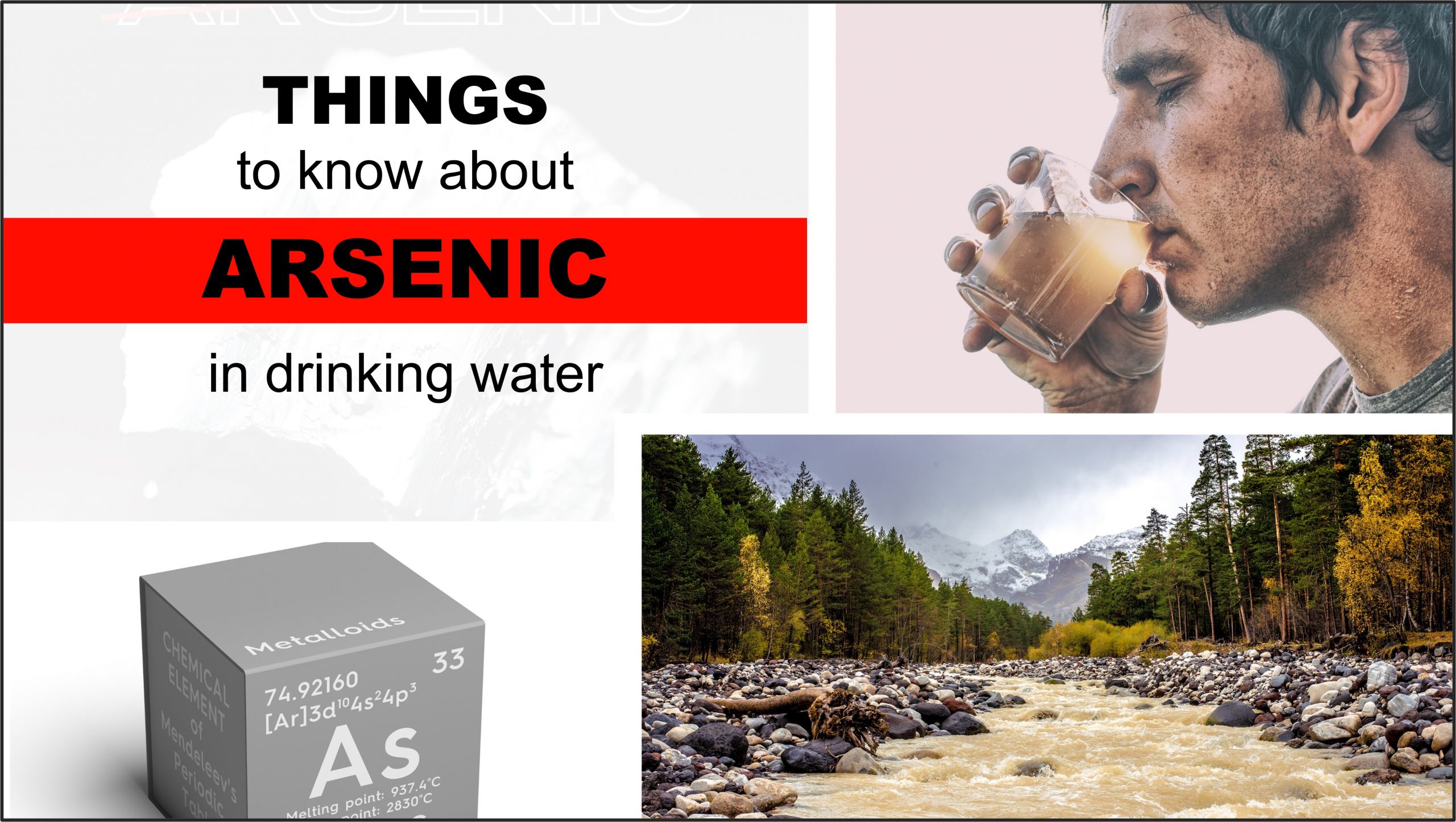
Rocks and soil naturally contain arsenic along with many other elements and are distributed throughout all continents. Groundwater that is used for drinking water may sometimes include small quantities of arsenic that has been dissolved and is above drinking water standards. Your chance of developing cancer and other major health issues might rise if you drink water that contains arsenic. It’s critical to understand how much arsenic is present in your water supply and how to lower your exposure.
Health Effects of Drinking Arsenic Water
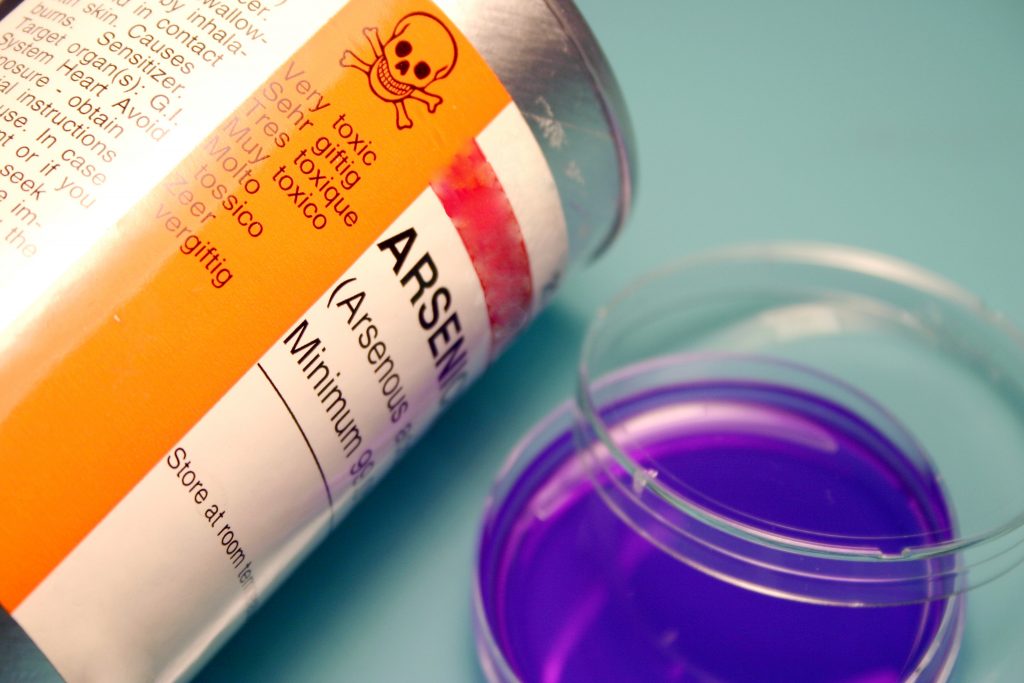
Drinking water with low arsenic over a long period of time could lead to diabetes and a higher risk of bladder, lungs, liver, and other organs. Arsenic can also cause sores, discoloration, and the growth of corns on the skin. It can also cause cardiovascular and respiratory disorders and lower IQ in children. Arsenic exposure can have long-term negative effects on your health, especially if you are exposed to it at low levels over an extended period.
How to Protect Yourself and Your Family
The recommended level of arsenic in drinking water in the United States is 10 micrograms per liter (g/L). * However, long-term exposure to water containing arsenic at levels below the U.S. Environmental Protection Agency (EPA) threshold can still raise your chance of developing cancer. The EPA has established a Maximum Contaminant Level Goal (MCLG) of 0 g/L for arsenic in drinking water as a result to prevent long-term exposure and risks. This goal does not consider the cost of water treatment to completely remove arsenic from drinking water due to many limitations and high costs associated.
• 1 part per billion (ppb) is equal to 1 microgram per liter (µg/L)/(ppb).
Public Water System & Private Well Water System
Drinking water standards established by the EPA have a 10 µg/L (ppb) limit for public water systems servicing locations where people reside, work, attend school, and get childcare. These systems take action to reduce arsenic if levels exceed the standard. However, to reduce the Arsenic level to 0 µg/L (ppb) is mostly recommended to not extend the consumption of long-term small dosage of arsenic in drinking water.
Compared to the private well water system, which is not regularly tested, Arsenic should be tested regularly to make sure there is no Arsenic in well water or breakthrough (>10 µg/L /ppb) in arsenic in well water. The treatment of well water could be achieved through a Point of Entry (POE) system for the whole house or a Point of Use (POU) system. Ideally, the Point of Entry (POE) system would be best suitable to limit all exposure to Arsenic but is associated with higher costs compared to Point of Use (POU) system.
Arsenic Removal Media For Water Purification
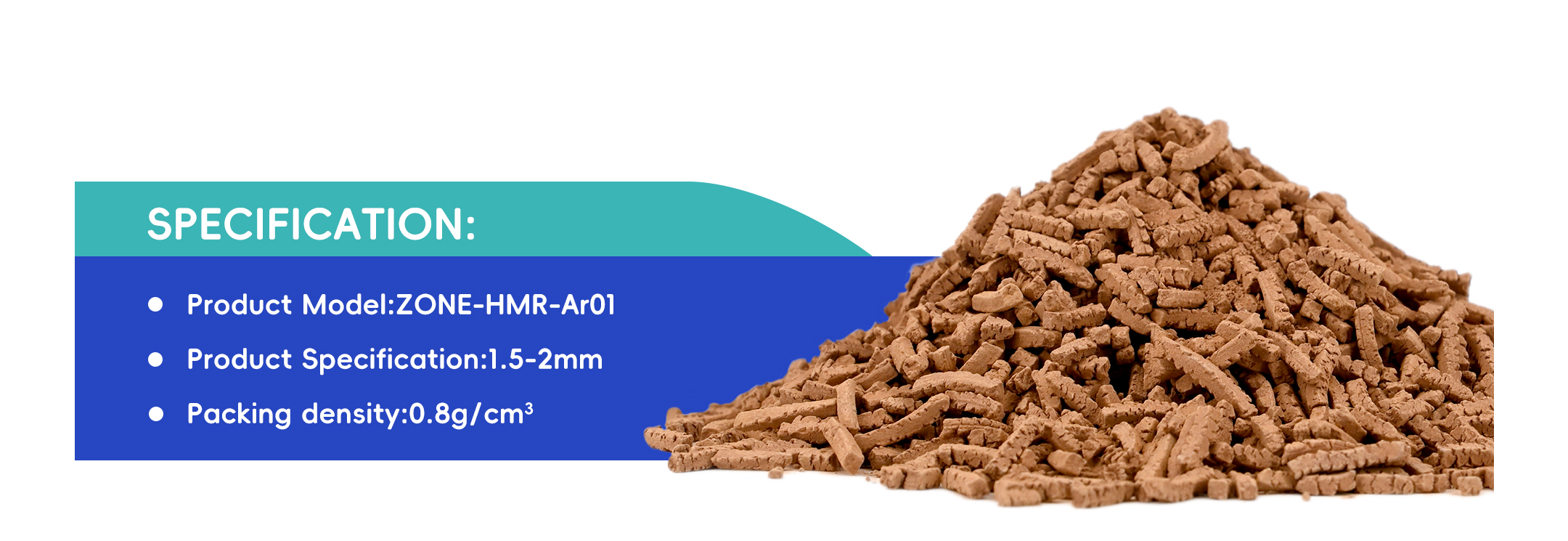
To address this, we introduce our new arsenic removal product: Arsenic Removal Strip
Key Features
High Specific Surface Area: ~300 m²/g (Exceptional adsorption performance)
Broad-Spectrum Removal: Targets arsenic (III and V), vanadium, copper, molybdenum, lead, antimony, uranium, zinc, hydrogen sulfide, phosphates, and silicates.
High-Efficiency Purification: Consistently delivers effluent below 0.01 ppm (10 ppb), meeting WHO guidelines and most regulatory standards.
Long Service Life: 1-5 years of operation.
Low Maintenance: No backwashing required.
Clean Operation: Generates no sludge or wastewater.
RELATED NEWS
CATEGORIES
LATEST NEWS
CONTACT US
Name: Joy
Mobile:WhatsApp +86-15615531918
Tel:+86-15615531918
Whatsapp:+86 15615531918
Email:joy@onlyzone.cn
Add:Building 25-1, 333 Sanying Road, Zibo City, Shandong Province, China