Hazards of Iron and manganese
Iron and manganese are common metallic elements. In appropriate amounts, they pose no harm to human health or the environment. However, excessive levels can lead to a series of adverse effects. Below are the primary hazards associated with iron and manganese overdose:
I. Health Hazards to Humans
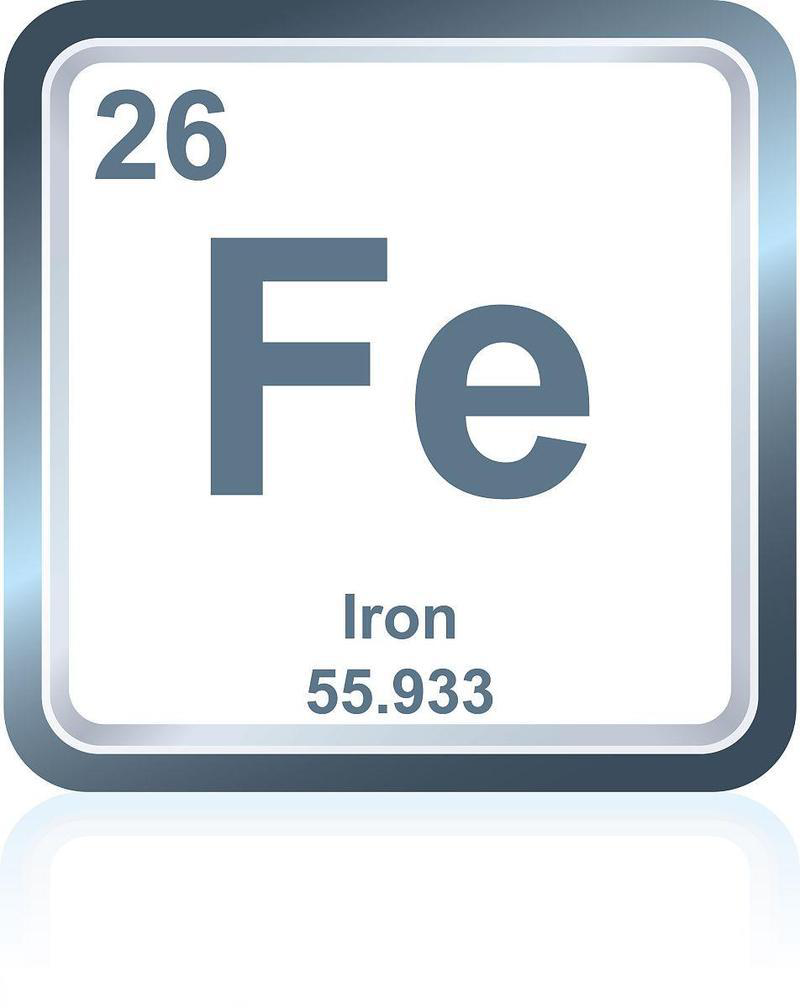
Iron Excess:
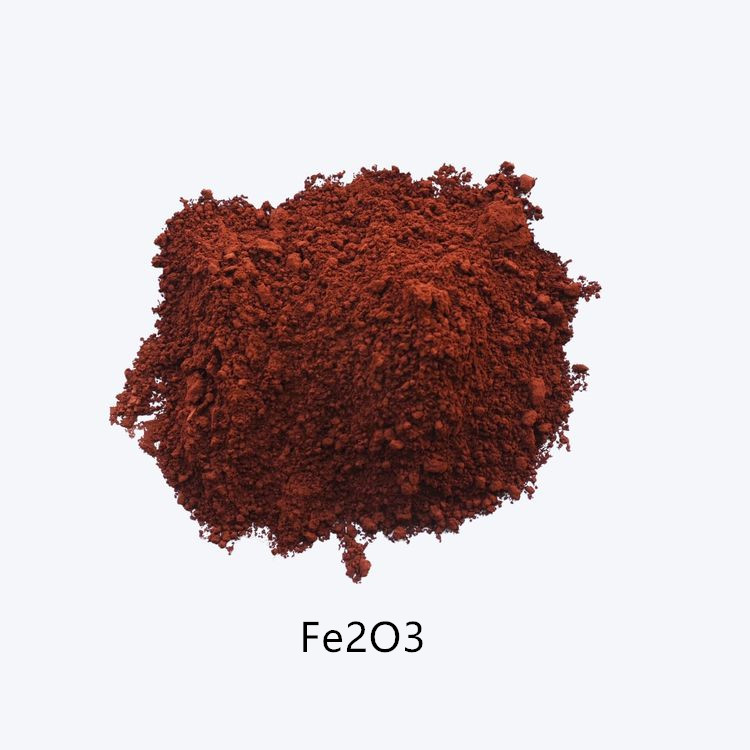
Acute poisoning: A single excessive intake of iron (e.g., accidental ingestion of iron supplements) may cause nausea, vomiting, abdominal pain, and gastrointestinal bleeding. Severe cases can lead to metabolic acidosis and organ failure.
Chronic Accumulation: Long-term excessive iron intake (e.g., in hereditary monochromatic) causes iron deposition in organs like the liver, heart, and pancreas, leading to cirrhosis, diabetes, heart failure, and other diseases.
Oxidative Stress: Free iron catalyzes free radical production, accelerating cellular damage and aging, and may increase cancer risk.
Manganese Overdose:
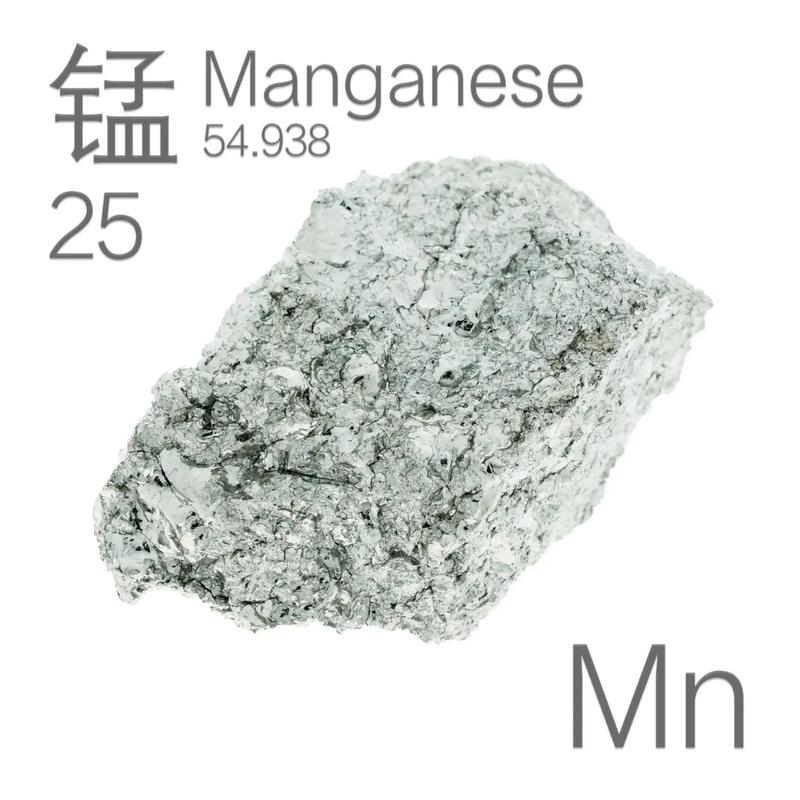
Neurological Damage: Long-term exposure to high manganese concentrations (e.g., miners, welders) can cause “manganese poisoning,” presenting Parkinson's-like symptoms: tremors, muscle rigidity, abnormal gait, and cognitive decline.
Reproductive Toxicity: May impair the reproductive system, leading to reduced sperm quality and hormonal disruption.
Other Effects: Excess manganese may damage the liver and kidneys and trigger respiratory diseases.
II. Environmental and Lifestyle Hazards
Water Pollution:
Excess iron and manganese turn water yellowish, cause cloudiness, and impart a metallic or rusty taste.
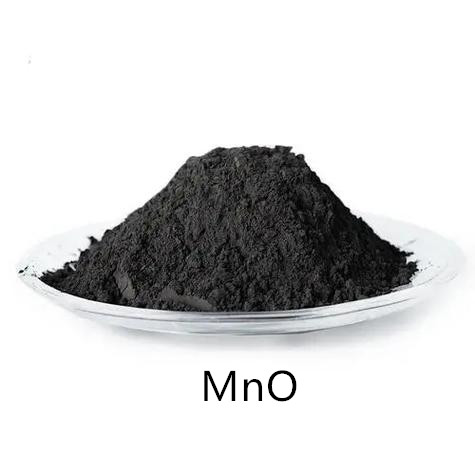
Sedimentation forms reddish-brown (iron) or black (manganese) deposits that clog pipes and stain clothing.
Promotes bacterial growth (e.g., iron bacteria), forming biofilms that accelerate pipe corrosion.
Agriculture and Ecology:
Excess iron and manganese in soil impairs plant absorption of other nutrients, hindering growth.
Excessive manganese in water is toxic to fish and aquatic life, disrupting ecosystem balance.
Industrial Impacts:
Iron-manganese impurities compromise product quality in industries like textiles and paper-making.
Scale formation in boilers or heat ex-changers reduces thermal efficiency and increases energy consumption.
III. Primary Sources
Natural Sources: Rock weathering, soil leaching (common in groundwater with excessive iron-manganese levels).
Industrial Emissions: Mining, metallurgy, battery manufacturing, and chemical wastewater.
Human Activities: Corrosion of iron-manganese pipes, agricultural fertilizer runoff, and landfill disposal.
IV. Prevention and Control Recommendations
Drinking Water Treatment: Employ aeration oxidation, manganese sand filtration, ion exchange, or chemical precipitation for removal.
Industrial wastewater treatment: Adjust pH levels and add oxidizing agents (e.g., potassium gangmaster, chlorine) to precipitate iron and manganese.
Personal protection: Occupational contacts must wear protective gear and undergo regular medical examinations to monitor internal metal levels.
Dietary precautions: Avoid indiscriminate iron supplementation; maintain a balanced diet (e.g., vitamin C enhances iron absorption, while calcium and zinc inhibit excessive iron and manganese absorption).
Summary
Iron and manganese are essential trace elements for the human body, but excessive levels pose significant hazards to health, the environment, and industrial processes. Risks can be controlled through scientific monitoring, effective water treatment processes, and personal protective measures. If residing in industrial areas or using groundwater, regular water quality testing is recommended to ensure safety.
Iron and Manganese Removal plus (Katalox)
RELATED NEWS
CATEGORIES
LATEST NEWS
CONTACT US
Name: Joy
Mobile:WhatsApp +86-15615531918
Tel:+86-15615531918
Whatsapp:+86 15615531918
Email:joy@onlyzone.cn
Add:Building 25-1, 333 Sanying Road, Zibo City, Shandong Province, China