Why Well Water Turns Yellow & Rusty: How Iron & Manganese Damage Your Plumbing
Well water often turns pale yellow or rusty orange after coming out of faucets, accompanied by stubborn sink stains, clogged nozzles and low water pressure. This common issue is almost always caused by dissolved iron and manganese in groundwater.
Though low concentrations of these minerals pose little threat to human health, they gradually damage your entire plumbing system and raise ongoing maintenance costs. This article covers the cause, plumbing hazards and the best permanent solution.
1. Why Well Water Becomes Rusty
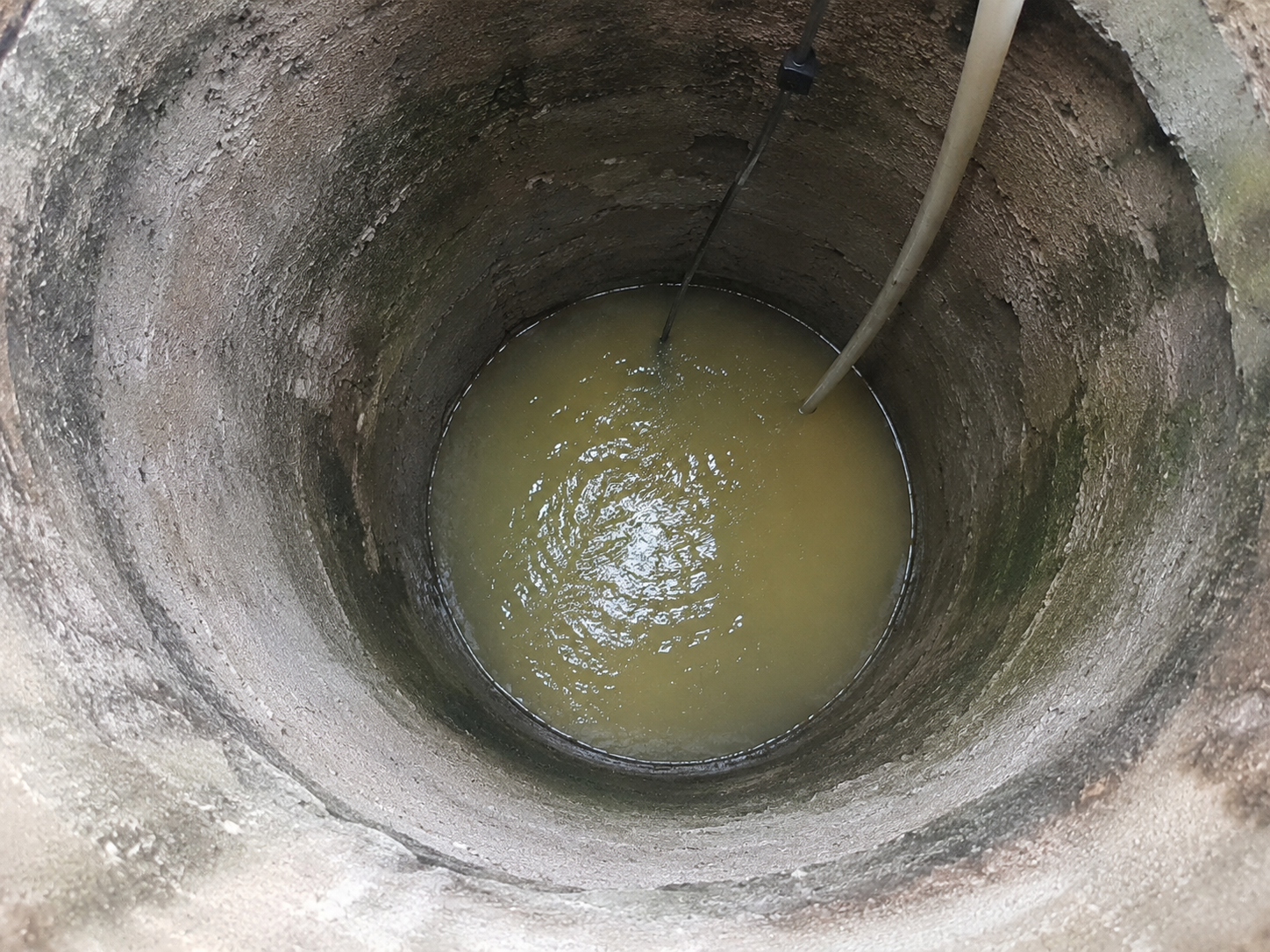
Underground groundwater is oxygen-free, where iron and manganese exist as colorless dissolved ions (Fe²⁺, Mn²⁺)—making pumped well water look clear at first.
Discoloration occurs once the water contacts oxygen:
-
Ferrous Iron: Oxidizes into reddish-brown sediment, turning water yellow or rusty
-
Manganese: Oxidizes into black precipitate, causing dark murky well water
Acidic low-pH well water slows this reaction, leading to clear faucet water that turns rusty inside pipelines. Besides, iron and manganese bacteria in groundwater secrete sticky rusty slime, worsening water turbidity and pipe clogging.
2. Key Plumbing Damages Caused by Iron & Manganese
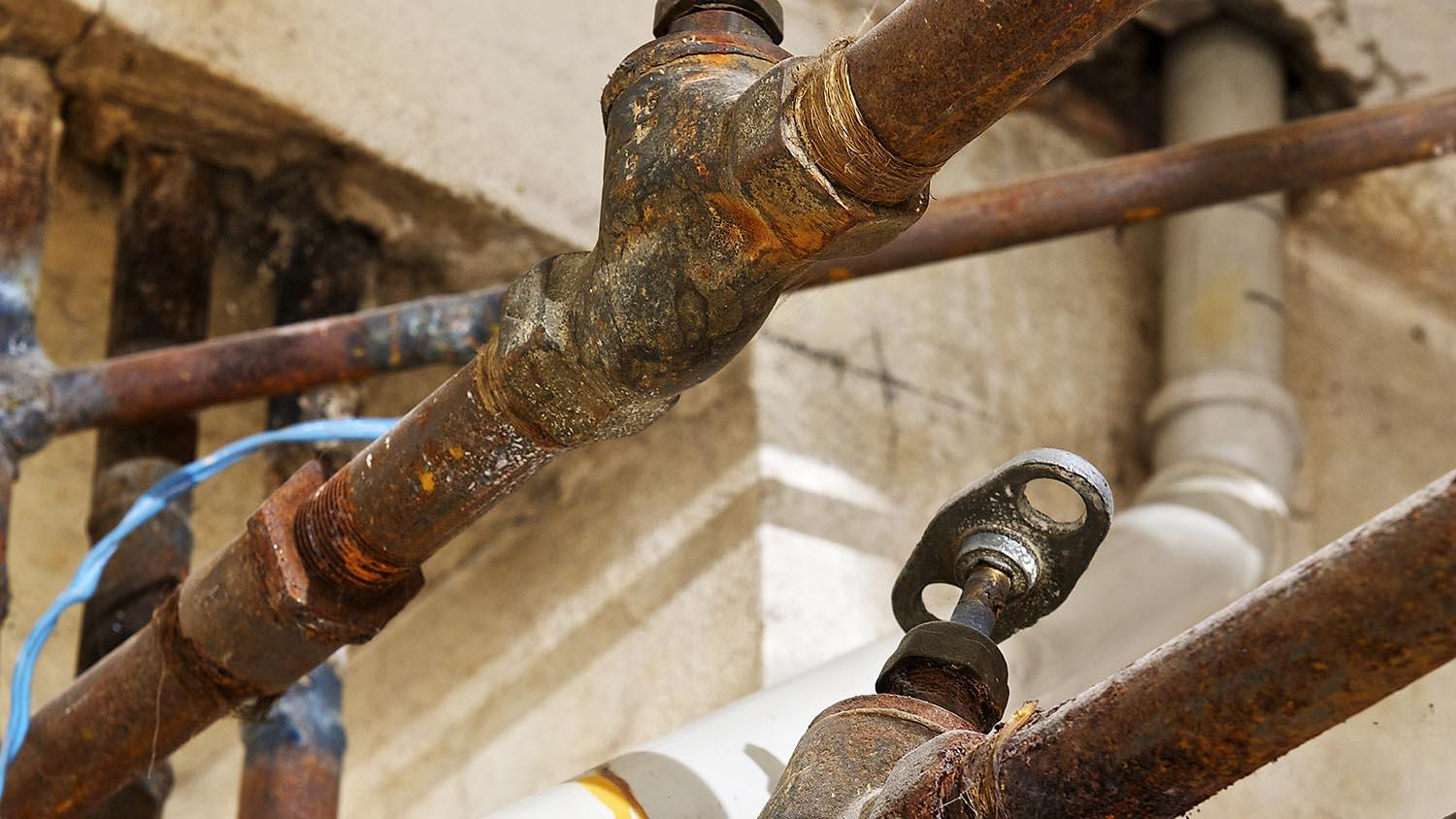
Rusty well water is not only an aesthetic nuisance—it causes irreversible damage to your whole water supply system:
-
Pipeline Corrosion & Blockage: Oxidized sediments stick to pipe inner walls, causing corrosion, water leakage, clogged pipelines and dropping water pressure.
-
Water Equipment Failure: Sediments clog water heaters, poison water softener resin, damage RO/UF membranes and wear out well water pumps.
-
Permanent Fixture Stains: Hard-to-remove rust marks on bathtubs, sinks and stainless steel faucets.
-
Secondary Contamination: Bacterial slime breeds harmful pathogens, leaving water with unpleasant metallic or earthy odors.
3. Why Common DIY Fixes Don’t Work
Most low-cost temporary solutions cannot solve root iron and manganese contamination:
-
Simple sediment filters: Only trap large particles, cannot remove invisible dissolved iron and manganese ions
-
Water softeners: Not designed for iron/manganese removal; high mineral content will disable softener resin
-
Natural manganese sand: Bulky, poor performance on acidic well water and requires frequent complicated backwashing
4. Best Permanent Solution: ZIMR Catalytic Filter Media
Front-end filtration with high-performance catalytic filter media is the most cost-effective way to eliminate iron and manganese and protect your plumbing system. ZIMR is the top choice for residential and commercial well water treatment.
Different from heavy traditional manganese ore media, it features an active manganese dioxide coated zeolite structure. It oxidizes dissolved iron and manganese into filterable sediment with no continuous chemical dosing for most regular well water.
Major Benefits:
-
Works stably in weak acidic water (pH 6.2+), better adaptability than Pyrolox and manganese greensand
-
Light density saves 60% backwash water and reduces pipeline load
-
7–10 year long service life with low maintenance
-
Inhibits iron/manganese bacteria growth to prevent biological clogging
5. Final Verdict
Rusty yellow well water is a hidden threat to your plumbing infrastructure, not just a cosmetic problem. Installing a filter system with ZIMR media eliminates iron and manganese fundamentally, cutting long-term repair and equipment replacement costs.